How Often Should You Sweep Your Chimney?
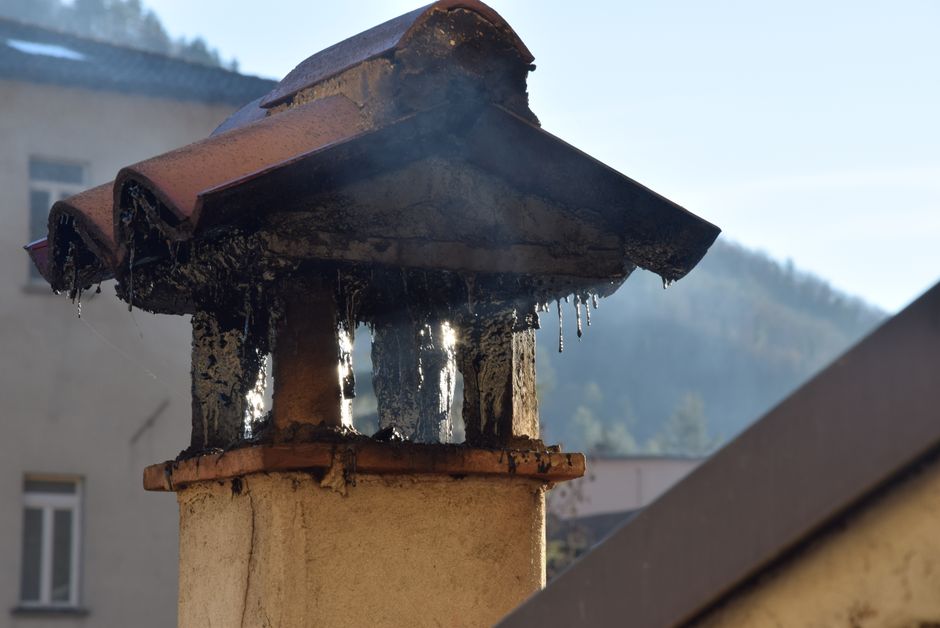
The standard the chimney industry itself points to calls for an inspection at least once a year, no matter how much the fireplace or stove gets used. Sweeping is a separate question — it depends on how much soot and creosote have actually built up, which is where fuel type and how often the appliance runs start to matter. This article covers what the inspection standard says, and how usage changes the sweeping side of it.
What the standard says
The Chimney Safety Institute of America (CSIA) states, attributing the requirement to NFPA 211 (the National Fire Protection Association's standard for chimneys, fireplaces, vents, and solid-fuel-burning appliances): "Chimneys, fireplaces, and vents shall be inspected at least once a year for soundness, freedom from deposits, and correct clearances" (CSIA, Homeowner Resources). NFPA's own homeowner safety page states the same idea in its own words: "Chimneys and heating systems should be inspected and cleaned each year before they are fired up for the season" (NFPA, Safety with heating equipment). NFPA's published safety-tip list includes the same instruction: have heating equipment and chimneys "inspected and cleaned every year by a qualified professional" (NFPA, Home Heating Fires, published December 1, 2022).
NFPA 211's full text is a paid standard and isn't quoted directly here; the sentences above come from CSIA's and NFPA's own free public pages restating it, which is how the standard is generally cited outside the document itself.
Why the standard doesn't make an exception for light use
A fireplace that only gets lit a handful of times a winter still needs the annual inspection. CSIA's own reasoning: "even if a chimney isn't used much, animals may build nests in the flue or there may be other types of deterioration that could make the chimney unsafe" (CSIA, Homeowner Resources). An unused chimney can still develop damage, blockages, or a nest between one heating season and the next, none of which shows up without someone looking. CSIA also frames the broader safety case for the annual visit as preventing both fire and carbon monoxide poisoning (CSIA press release, March 15, 2000).
Inspection and sweeping aren't the same appointment
The annual requirement above is for inspection. Whether sweeping happens at that visit depends on what the inspection finds. CSIA's own buildup guidance recommends that masonry fireplaces "be swept at 1/8" of sooty buildup, and sooner if there is any glaze (creosote) present in the system" (CSIA, Homeowner Resources). That's a condition-based threshold, not a fixed schedule — a chimney that reaches 1/8 inch of buildup after eight months needs sweeping then, not at the one-year mark. A Level I inspection, the level CSIA describes as performed in most homes when a chimney is easily accessible and staying in its current use, is where a sweep verifies "that the chimney is free of obstructions and combustible deposits, such as creosote" (CSIA, Homeowner Resources). That inspection is also where the buildup gets checked against the 1/8-inch threshold and a sweep gets scheduled if it's needed.
Wood stoves versus an open fireplace lit occasionally
Neither CSIA nor NFPA publishes a separate numeric sweeping interval broken out by appliance type — the sourced standard is the annual inspection plus the 1/8-inch buildup threshold above, not a set number of sweeps per year for a wood stove versus a fireplace. What changes between the two is how quickly a chimney reaches that threshold. A wood stove run through most of a Wisconsin winter puts far more combustion byproduct through the same flue than a fireplace lit on occasional weekends, so a heavily used wood stove is more likely to reach the 1/8-inch mark — or develop the glaze-type creosote CSIA flags as an earlier trigger — before a full year has passed. A lightly used open fireplace may not reach that threshold within a year, but the inspection still happens on the annual schedule regardless, per the standard above. In practice, that means a household burning wood several nights a week all winter should expect the inspection to turn up a sweep more often than a household that only uses the fireplace a few times a season — but the exact interval is set by what the inspection finds, not by a fixed rule tied to appliance type.
What a chimney sweep visit actually checks
A sweep and inspection visit is where the buildup gets measured against the threshold described above, rather than guessed at. That's also the point at which glaze-type creosote, blockages, or nesting animals get caught before they turn into the kind of problem covered in signs you need a chimney sweep — including buildup heavy enough, or specific enough, that it shouldn't wait for the next scheduled visit.
The bottom line
Every chimney needs the annual inspection, regardless of how often it's used — that part of the standard has no exception. How often actual sweeping happens on top of that inspection depends on how much creosote and soot has built up, and that in turn tracks with how much the appliance gets used and what fuel it burns. A once-a-winter fireplace and a daily wood stove are both on the same annual inspection schedule; they aren't necessarily on the same sweeping schedule.