Chimney Sweep and Dryer Vent Cleaning in La Crosse, WI
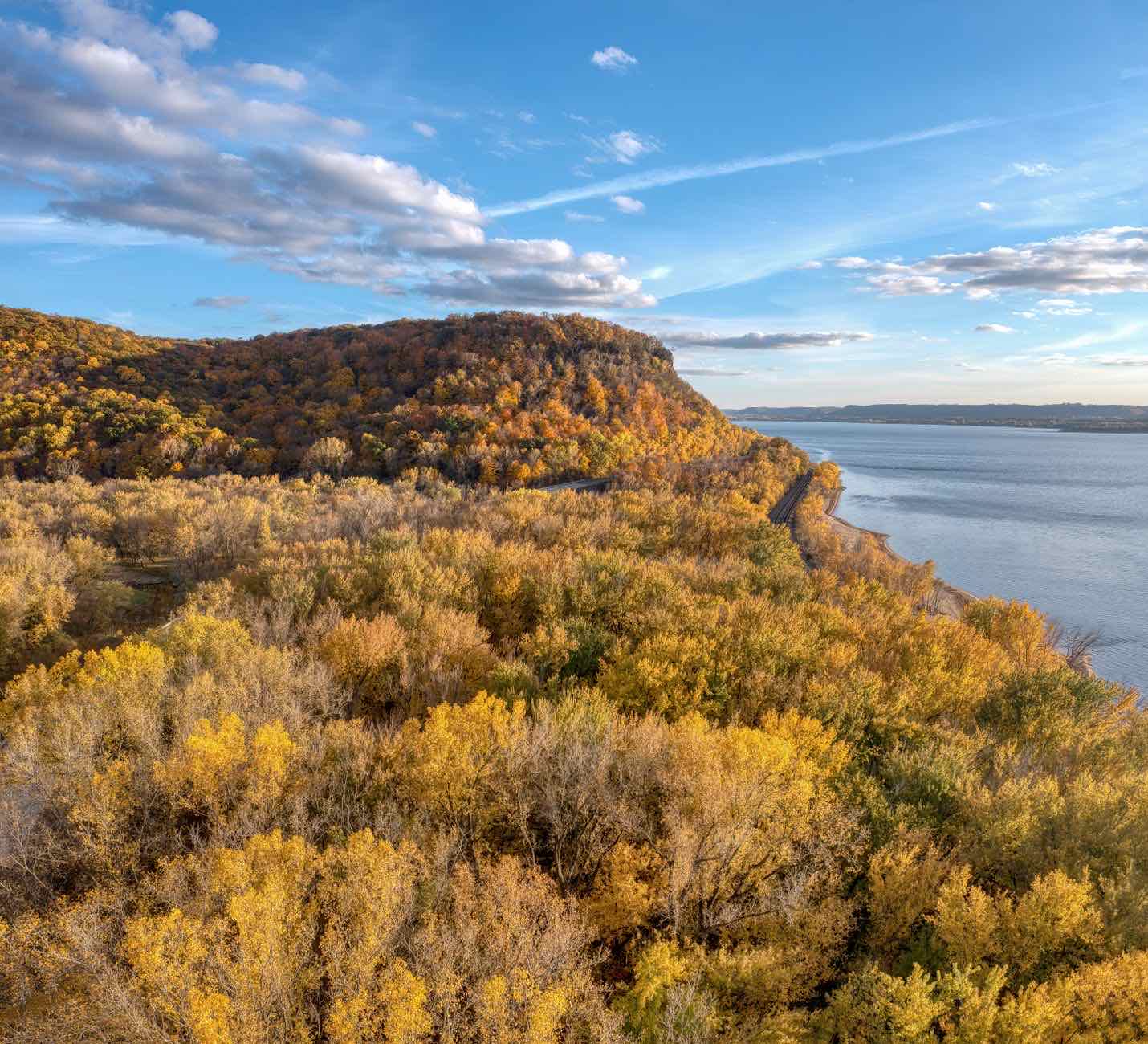
La Crosse is the largest of the five communities this site covers, and the county seat. Its population, per the Census Bureau's 2020-2024 American Community Survey five-year estimate, is 51,356 (margin of error ±92), within La Crosse County's overall population of 120,488 for the same period. Two other Census products give different numbers for the same city: the 2020 Decennial Census counted 52,680 residents on a single day, and the Bureau's Vintage 2025 population estimate puts the city at 50,784. A five-year survey average, a single-day headcount, and an annual estimate are three different kinds of measurement, and they don't always move in the same direction — which is normal for city-level Census data and not a sign that any one figure is wrong.
The city's housing stock is also the oldest of the five towns by median year built. The ACS estimate puts it at 1965 (margin ±3 years), well earlier than La Crosse County's overall median of 1978, among an estimated 24,404 housing units citywide (margin ±464). A median that old means a large share of La Crosse's homes, garages, and additions went up before today's high-efficiency furnaces, gas inserts, and factory-built fireplaces were common. That's a fact about construction dates, not a claim about how much creosote or lint has built up inside any particular chimney or dryer vent — that comes down to how a system has actually been used and maintained, not just when the house was framed. What the age of La Crosse's housing does connect to directly is why an annual inspection standard exists at all: the safety guidance behind NFPA 211, the National Fire Protection Association's standard for chimneys, fireplaces, vents, and solid-fuel appliances, calls for a chimney to be inspected at least once a year regardless of how often it's actually fired up, because deterioration, blockages, or animal nests can show up in a flue that barely gets used (CSIA, Homeowner Resources).
Nationally, heating equipment is a significant cause of home fires. NFPA's current reporting, 2020-2024 annual averages, puts the count at an estimated 37,365 fires a year involving heating equipment, about 11 percent of all reported home fires, with an estimated 417 civilian deaths, 1,260 civilian injuries, and $1.2 billion in property damage annually (NFPA, Home Heating Fires statistics). A separate USFA topical report on residential heating fires found that confined fires, specifically those confined to a chimney or flue, accounted for 77 percent of residential building heating fires in its 2017-2019 study period, with a chimney or flue fire confined to the chimney or flue alone making up an estimated 49.43 percent of all residential building heating fires nationally (USFA, Heating Fires in Residential Buildings, 2021). Those are national figures, not a claim about fire risk specific to La Crosse or any one home in it — they're the backdrop for why an annual inspection habit matters in any chimney-owning household, regardless of neighborhood.
The heating season behind the timing
La Crosse sits at the weather station the National Weather Service and NOAA use for the area's official climate normals — La Crosse Municipal Airport. The 1991-2020 normals for that station put the region's mean annual temperature at 48.8°F, with January averaging 18.9°F, February 23.3°F, and December 25.1°F as the three coldest months. The same data set puts the area's annual heating degree days at 6,788, with January, December, and February the three highest-demand months for heat. In an average year the area sees about 140.8 days where the overnight low drops to 32°F or below, and about 19.6 days at 0°F or below — January alone averages 29.7 such sub-freezing nights, essentially the entire month. The National Weather Service's La Crosse forecast office puts the average last spring frost in the city in the first week of May, and the average first fall frost in the first week of October, which brackets a heating season that runs roughly half the year.
That length of heating season is the reason the timing behind an annual chimney and dryer-vent check matters more here than in a place with a short winter. NFPA 211's inspection standard doesn't set a specific month, but scheduling a check before a chimney or wood stove gets fired up for the season, rather than partway through a cold snap, is the straightforward reading of "at least once a year." The same logic applies to dryer vents: NFPA's most recent dryer-fire report, covering 2014-2018 annual averages, found that clothes dryers were involved in an estimated 13,820 home structure fires per year nationally, and that a failure to clean was a contributing factor in roughly a third of them, with dust, fiber, or lint ignition specifically cited in 27 percent of dryer fires (NFPA, Home Dryer Fires, 2020). A dryer that runs through a long Wisconsin winter, often vented through brick or siding that's also carrying ice and snow load, is a system worth checking on the same yearly rhythm as the chimney.
What's available to La Crosse homeowners
Chimney sweeping and cleaning, chimney inspection, creosote removal, chimney cap and crown repair, and dryer vent cleaning are all available to homeowners across La Crosse, from the older neighborhoods closer to the city's core to newer construction on its edges. A city this size, with a housing stock spanning decades of construction dates across its Census tracts, covers nearly every situation these services address: a masonry chimney on a pre-1965 home that hasn't been inspected recently, a newer factory-built fireplace and vent system, or a dryer vent run that's never been checked since the house was built.