Chimney Cap & Crown Repair
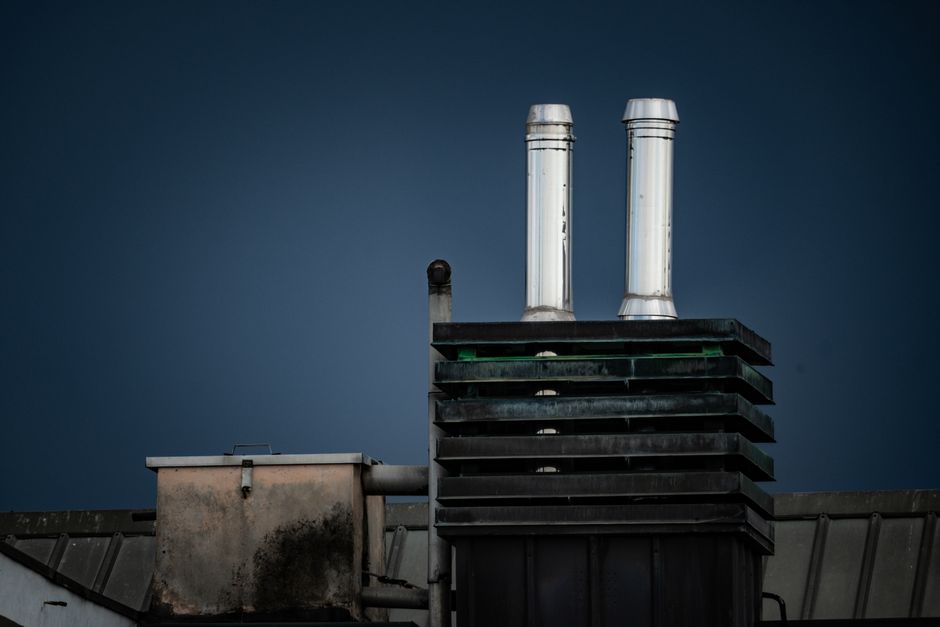
A chimney cap and a chimney crown both exist to keep weather out of a chimney, but they aren't the same part, and they don't fail in the same way. This page covers what each one is, how to spot damage from the ground, and why La Crosse's freeze-thaw winters make a periodic check worth doing. The cap and crown work described here is limited to routine repair and replacement of these two components — a full chimney rebuild, major structural masonry work, or anything beyond the cap and crown themselves falls outside what this page covers, and is referred out rather than detailed here.
What a chimney cap does
The chimney cap sits on top of the flue opening — the top of the vertical shaft that carries smoke and combustion gases out of the house. It's typically a metal cover, often stainless steel or copper, with mesh screening around the sides. Its job is straightforward: keep rain and snow from falling directly down the flue, stop birds and other animals from getting into it, and catch sparks before they can land on a roof or nearby surface. A cap that's missing, rusted through, dented, or sitting crooked on the flue isn't doing that job, even if the rest of the chimney looks fine from the ground.
What a chimney crown is, and how it differs from a cap
The crown, sometimes called the wash, is the flat or gently sloped concrete or mortar surface that covers the top of the masonry chimney structure itself — the material surrounding the flue tile, not the flue opening. Where the cap's job is to keep water and debris out of the flue, the crown's job is to shed water away from the masonry below it, keeping moisture from soaking into the brick and mortar joints that make up the chimney's outer structure. A cap can be in good shape while the crown underneath it is cracked, and the reverse is also true — the two are assessed separately, not as one unit.
Signs of damage
Cap. Visibly rusted or corroded, dented, torn or missing mesh screening, sitting off-center or loose on the flue, or missing outright.
Crown. Visible cracks, whether hairline or wider; crumbling or flaking mortar at the edges; water staining on the flue tile or inside the firebox after rain; or missing chunks of the crown surface itself.
Both are often visible from the ground with binoculars, or in photos taken from a roof or a neighboring vantage point, without needing to go up onto the chimney directly.
Why La Crosse winters put both to the test
Water that gets into a hairline crack in a crown and then freezes expands as it turns to ice, widening the crack — a cycle that repeats each time the temperature crosses the freezing point during the cold season. La Crosse's climate makes that cycle a regular event. The 1991-2020 NOAA climate normals for the La Crosse area put the average number of days per year with a minimum temperature at or below 32°F at 140.8, with January and December each averaging close to 28 to 30 such days (NOAA/NCEI 1991-2020 climate normals, La Crosse Municipal Airport station, mirrored by the UW–Madison State Climatology Office). The same data puts the area at roughly 6,788 heating degree days a year, with January, December, and February as the highest-demand months — a long, cold season that gives a crown crack repeated chances to widen (same source). The National Weather Service's La Crosse forecast office puts the average last spring frost in the first week of May and the average first fall frost in the first week of October (NWS La Crosse average frost dates), which brackets roughly seven months of the year when a freeze-thaw cycle is possible.
Best time to check
Freeze-thaw damage builds up over the course of a winter, so it's easiest to spot once the coldest months have passed and any ice or snow has cleared — a spring look, after the last frost date, catches what built up over the previous season before the next one starts. A fall check, ahead of the first hard freeze, is the other natural window: it catches anything missed earlier or that developed over summer, before another freeze-thaw cycle begins. Either check pairs naturally with general cold-weather preparation; getting ready for winter covers the rest of that seasonal routine.
What's covered here, and what's referred out
Cap replacement and crown repair — sealing hairline cracks, patching small areas of deteriorated mortar, or replacing a damaged or missing cap — are routine, contained jobs. A full chimney rebuild, replacement of large sections of masonry, structural repair below the crown, or any work on the chimney's internal structure is a different scope of work and is referred out rather than covered on this page.
Part of routine chimney care
A cap and crown check is a natural thing to have done alongside a scheduled chimney sweep & cleaning, since both involve getting eyes on the same part of the chimney at the same time. For a cap or crown check on its own, call 608-480-6621.