Chimney Sweep & Cleaning
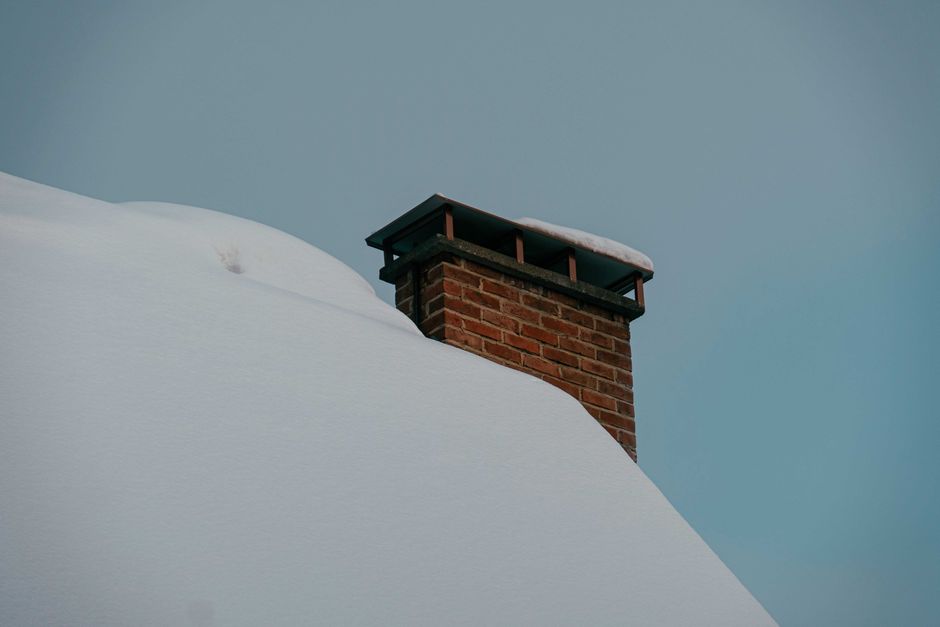
A chimney sweep and cleaning removes the soot, ash and creosote that build up inside a flue every time a fireplace, wood stove or other fuel-burning appliance is used. The Chimney Safety Institute of America (CSIA) and the National Fire Protection Association (NFPA) both point homeowners to the same baseline standard: chimneys, fireplaces and vents should be inspected at least once a year, and swept as needed, regardless of how often the appliance actually gets used (CSIA, Homeowner Resources, retrieved 2026-09-23; NFPA, Home Heating Fires, published Dec. 1, 2022).
This page covers what a sweep and cleaning actually involves, how it differs from a chimney inspection, where soot and creosote collect, why the annual standard applies even to a fireplace that's barely used, and what a sweep typically costs nationally. It's written for homeowners in La Crosse, Onalaska and the surrounding towns who want to know what a quote should cover before booking one.
What a chimney sweep and cleaning involves
A standard sweep and cleaning clears the flue, smoke chamber and firebox of the soot and creosote that accumulate from burning wood, gas logs, pellets or other fuel. CSIA describes the most common version of this visit — a Level 1 inspection performed alongside the cleaning — as a check that confirms "the chimney structure is sound and that the chimney is free of obstructions and combustible deposits, such as creosote" (CSIA press release, Industry Standard for Inspections Developed to Aid Homeowners, March 15, 2000). In practice that means brushing the flue walls with rods and brushes sized to the flue, containing and removing the loosened soot and creosote so it doesn't spread into the living space, and clearing obstructions such as debris or a nest that's gotten into the flue (CSIA, Homeowner Resources, retrieved 2026-09-23).
CSIA recommends sweeping "at 1/8" of sooty buildup, and sooner if there is any glaze (creosote) present in the system" (CSIA, Homeowner Resources, retrieved 2026-09-23). That buildup threshold — not a fixed number of uses or a set calendar date — is what actually determines whether a given chimney needs to be swept in a given year, which is part of why an annual check matters even for a fireplace that only gets lit a handful of times each winter.
How a sweep and cleaning differs from an inspection
Cleaning and inspecting are two different jobs that are often, but not always, done on the same visit. Cleaning physically removes soot and creosote. Inspecting evaluates the condition of the chimney structure, liner and connections, and doesn't necessarily remove anything. CSIA's inspection-level system — adopted into NFPA 211 on January 13, 2000 — sorts inspections into a formal Level 1, Level 2 or Level 3 scope depending on what triggered the visit (CSIA press release, March 15, 2000). Chimney inspection covers all three levels in detail, including the Level 2 inspection required on the sale or transfer of a property.
A routine annual visit for a chimney that's staying in the same service, with no appliance change, fuel change, chimney fire or storm damage, typically pairs a Level 1 inspection with the sweep itself. A property changing hands, a new insert, or a switch in fuel type calls for the broader Level 2 scope instead, whether or not the flue also needs sweeping that same visit.
Neither a sweep nor an inspection repairs what it finds. A cracked crown, missing mortar or a damaged rain cap gets identified during either visit, not fixed on the spot. Chimney cap & crown repair covers that separate scope of work.
Why the annual standard applies even to a rarely used fireplace
NFPA's own consumer safety page states it plainly: "Chimneys and heating systems should be inspected and cleaned each year before they are fired up for the season" (NFPA, Safety with heating equipment, retrieved 2026-09-23). CSIA gives the reasoning behind applying that standard even to a chimney that sits idle most of the year: "Animals may build nests in the flue or there may be other types of deterioration that could make the chimney unsafe," regardless of how little the fireplace has actually been used (CSIA, Homeowner Resources, retrieved 2026-09-23).
That standard carries particular weight somewhere with a heating season as long as La Crosse's. NOAA's 1991-2020 climate normals for the La Crosse municipal airport station put the area at roughly 6,788 heating degree days a year, with an average of about 141 days annually where the overnight low drops to freezing or below — essentially all of December and January (NOAA/NCEI, Summary of Monthly Normals 1991-2020, La Crosse, WI, generated 10/27/2022). A flue that sits unused most of the year and then gets fired up on the first cold night is exactly the scenario the annual standard is meant to cover. Getting a fireplace ready for a Wisconsin winter covers the rest of that seasonal prep, and how often to sweep your chimney goes deeper on how usage and buildup interact with the annual standard.
Where soot and creosote build up
Soot and creosote form on the interior surfaces of the flue as smoke and combustion byproducts pass through and cool — the same surfaces a Level 1 inspection checks for "combustible deposits, such as creosote" (CSIA press release, March 15, 2000). CSIA distinguishes ordinary sooty buildup, which it recommends clearing at about 1/8 inch, from creosote that has glazed into a harder deposit, which it says should prompt a sweep sooner regardless of thickness (CSIA, Homeowner Resources, retrieved 2026-09-23).
Creosote removal covers what creosote is, why it forms, and why fire-safety data treats it as a serious hazard rather than a cosmetic issue. Creosote and chimney fire risk goes further into the fire statistics behind that risk, and 7 signs you need a chimney sweep covers what to look and smell for between scheduled visits.
Why this is professional work
Removing creosote and soot from a flue isn't a project most homeowners are equipped to do safely. It calls for brushes and rods sized correctly to the flue's shape and diameter, a way to contain the soot so it doesn't end up in the living space, and enough familiarity with chimney construction to recognize damage while cleaning rather than just clear debris and move on.
Wisconsin doesn't require a state license or certification to work as a chimney sweep: Wis. Admin. Code SPS 305.003(27) excludes masonry fireplaces and chimneys, and factory-built fireplaces and venting systems, from the state's HVAC-equipment licensing definition (Wisconsin Administrative Code SPS 305.003(27), retrieved 2026-09-23). Certification through CSIA or the National Chimney Sweep Guild exists as a voluntary industry credential, not a legal requirement — which makes it worth asking directly what training a given sweep has completed before booking, since there's no state licensing board to check instead.
What to expect and how to prepare
A standard sweep and cleaning for one flue typically runs 1 to 2 hours, and can take longer if the chimney hasn't been cleaned in more than a year or if there's damage to investigate (HomeGuide, "How Much Does a Chimney Sweep Cost?," by Sarah Noel, dated Feb. 9, 2026). Before the appointment, it helps to clear furniture, rugs and decorations away from the hearth and have a general sense of the appliance type — masonry fireplace, factory-built fireplace, wood stove, pellet stove or gas fireplace — since the scope and cost of the work depends on which one it is.
What a chimney sweep costs nationally
National cost guides don't agree with each other on an exact number, so any figure here is a range, not a quote. Angi puts the national average chimney sweep at $254, with most jobs falling between $129 and $381 (Angi, "How Much Does a Chimney Sweep Cost? [2026 Data]," by Nick P. Cellucci, updated July 10, 2026). HomeGuide lists a national average of $275, with a $150-$375 typical range (HomeGuide, "How Much Does a Chimney Sweep Cost? (2026)," by Sarah Noel, dated Feb. 9, 2026). Thumbtack's figures run higher — a national average around $385, with most people paying between $201 and $726 (Thumbtack, "2026 Chimney Sweep Cost," updated Mar. 31, 2026). Homewyse estimates $254 to $326 per flue (Homewyse cost calculator, dated September 2026).
By appliance type, HomeGuide and Angi both show gas fireplace maintenance running lower, roughly $80 to $150, with wood stoves and multi-flue jobs running higher (HomeGuide, dated Feb. 9, 2026; Angi, updated July 10, 2026). None of these figures are La Crosse or Onalaska prices, and none represent what any specific business charges — they're national averages from consumer cost guides, useful mainly for knowing what range to expect before a quote comes back.
A related service: dryer vents
Chimneys and dryer vents are separate systems, but they share a common thread: both rely on a clear path for exhaust to escape the building, and both show up in fire-safety data when that path gets blocked — creosote in a flue, lint in a dryer duct. Homeowners booking a chimney sweep often look into dryer vent cleaning around the same time, since it addresses a similar kind of buildup in a completely different part of the house.
Asking for a quote
Request a quote or call 608-480-6621 to ask about a chimney sweep and cleaning. Useful details to have ready: the appliance type (masonry fireplace, factory-built fireplace, wood stove, pellet stove or gas fireplace), how long it's been since the last cleaning, and whether the chimney has more than one flue. Service areas lists the towns covered.