Signs Your Dryer Vent Needs Cleaning Now
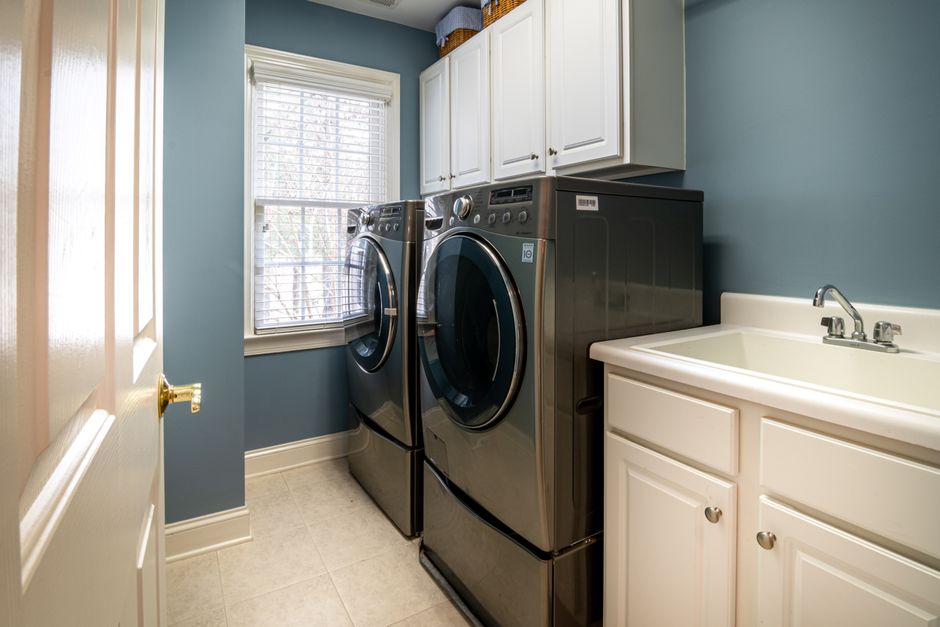
A dryer that's slowly losing airflow rarely announces itself all at once. It shows up in a handful of small, easy-to-dismiss changes that add up to a clear pattern once they're put side by side. None of the signs below need special equipment to check — just a few minutes of paying attention during a normal drying cycle.
Clothes are taking longer to dry
The most common early sign is time. A load that used to finish in one cycle now needs a second run, or the "normal" setting no longer actually finishes the job. Restricted airflow keeps moist air from leaving the drum as fast as it should, so an automatic-sensor dryer keeps calling for more heat and more time to reach a dry reading, and a timed dryer just runs its full cycle without getting clothes all the way dry. If dry times have crept up over the past several months with nothing else about how the dryer is loaded or used changing, the vent is the first place to look.
The dryer, the clothes, or the laundry room feel unusually hot
Some heat during a cycle is normal. A dryer that runs noticeably hotter than it used to, clothes that come out too hot to handle comfortably right away, or a laundry room that heats up more than it should during a cycle are all signs air isn't escaping the way it's supposed to. CPSC's own safety flyer on dryer fires describes the mechanism directly: blocked airflow can "cause excessive heat build-up" (CPSC Publication 5022). Heat that isn't leaving through the vent has to go somewhere, and a hotter-than-usual dryer or room is often where it shows up first.
The dryer shuts off before a load is actually dry
Some dryers have a thermal safety cutoff that ends a cycle early if the unit senses it's running hotter than it should. A dryer that used to finish loads reliably and now stops itself partway through, with clothes still damp, can be reacting to the same restricted airflow and heat build-up described above rather than a failing heating element.
A burning or hot-dust smell during a cycle
A burning smell — distinct from the ordinary warm-laundry smell — isn't something to wait out. It usually means lint is being heated well past where it should be. This is one of the more urgent signs on this list; dryer vent fire prevention covers why a restricted vent and heat build-up are tied to real fire risk, not just an inconvenience.
Visible lint where it shouldn't be
Lint building up around the outside of the trap housing, on the floor behind the dryer, or gathered around the exterior vent hood where the duct exhausts outside are all signs lint is escaping the system somewhere it isn't supposed to. USFA's consumer flyer specifically tells homeowners to check the venting system behind the dryer to confirm it isn't "damaged, crushed or restricted" (USFA, "Clothes Dryer Fire Safety") — a quick look behind the machine and at the outside vent hood covers exactly what that flyer recommends checking.
The exterior vent flap barely moves
Most exterior dryer vents have a hood with a flap or louvers that should swing open while the dryer runs and close when it's off. Standing outside while a load runs and watching whether that flap opens fully is a simple check. A flap that barely moves, or doesn't open at all, usually means the duct is restricted somewhere between the dryer and the outside wall.
The lint trap is clean, but lint keeps showing up anyway
A lint trap that's emptied every load and still seems to let noticeable lint through into the drum, the duct, or the room is worth a closer look — either the trap has a tear, or air is leaking past it somewhere. This one is easy to miss, because the habit of cleaning the trap every load, which both CPSC and USFA recommend as the baseline step, can create a false sense that the whole system is being maintained when the duct behind it hasn't been touched.
A musty or damp smell in the laundry room
Drying is supposed to push moist air out of the house through the vent. A vent that's restricted can't move that moisture out as efficiently, and some of it lingers in the laundry room instead — showing up as a faint musty or damp smell, or a laundry area that feels noticeably more humid than the rest of the house during a drying cycle. On its own this sign is easy to blame on something else, like the washer or a damp basement, but paired with longer dry times or unusual heat it points back to the same restricted airflow.
What to do next
Any one of these signs on its own is worth a look. Several of them together are a clearer signal that it's time for a professional dryer vent cleaning rather than another load. None of these signs require guessing — each one is something a homeowner can actually see, feel, or smell during a normal cycle, which makes them a more reliable prompt than trying to track cleaning against a calendar. How often should you clean your dryer vent? covers the factors — vent length, layout, and usage — that determine how often a given household tends to see these signs in the first place.